The Evidence Envelope: A UK Redress File for High-Strength CBD That Misses the Label

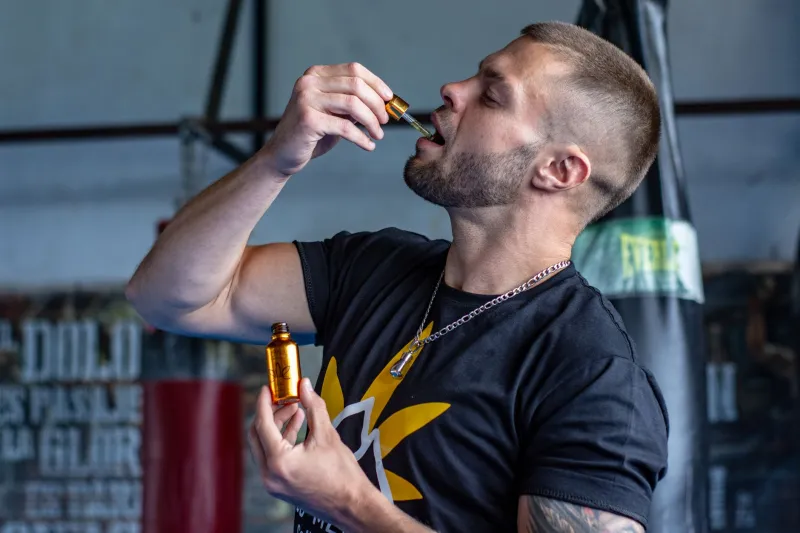
Photo: UK consumer rights paperwork CBD oil bottle batch number lab report close-up, via s3.amazonaws.com
High-strength CBD is a crowded phrase with no statutory definition. In the UK market of 2026, a bottle may be called high-strength because it contains 1,000mg in 10ml, because it uses a particular extraction method, or because the brand has decided that the word suits the packaging. That ambiguity matters when a purchase goes wrong. A product that feels weaker than expected is not automatically a faulty product. A product that is misdescribed, short on the stated milligram content, or supplied in a condition that breaches consumer law is a different matter.
At CBD Intense, the editorial lens is testing and explanation rather than advocacy. The same discipline applies to redress. Before escalating a complaint, establish what failed, what was promised, and what evidence connects the two. The aim is not to manufacture a case from disappointment. It is to decide whether a case exists at all.
Separate disappointment from a defective supply
CBD is not a guaranteed sensory experience. Two users can take the same measured dose from the same batch and report different effects. Tolerance, body weight, timing, food intake, sublingual hold time, and expectations all influence the result. A product that does not produce the desired calm, sleep support, or relief is therefore not necessarily defective. That is buyer's remorse unless the seller made a specific objective claim that the product did not meet.
The Consumer Rights Act 2015 provides the main framework for goods bought from a trader in the UK. Goods must be of satisfactory quality, fit for a particular purpose made known to the seller, and as described. The Act also gives remedies for faulty goods. Distance sales made online, by phone, or by post add the Consumer Contracts Regulations 2013, which provide a 14-day cancellation right in many cases. That right is not a potency guarantee, and sealed food supplements or oils may be exempt once unsealed where health protection or hygiene applies. The first task is therefore to identify the correct legal route rather than the loudest complaint.
Build the four-part evidence file
A credible refund file for high-strength CBD has four parts: the batch number, the label claim, the lab report, and the dose calculation. Each part should be captured before the bottle is discarded or the packaging is lost.
First, record the batch or lot number. It is usually printed on the bottle, the base, or the carton. Photograph it beside the best-before date and the product name. A batch number allows the seller and any laboratory to trace the specific production run. Without it, a complaint can easily be treated as a general dissatisfaction with the product category rather than a specific supply issue.
Second, preserve the label claim. Photograph the front and back of the packaging, including the stated total CBD content, the bottle volume, the serving suggestion, and any wording such as 'high-strength', 'full spectrum', or 'lab tested'. The label is the benchmark. If it says 1,000mg in 10ml, the implied concentration is 100mg per ml. If it says 500mg per 30ml, the implied concentration is approximately 16.7mg per ml. Those figures matter because a complaint about weakness should be tied to a stated quantity, not a vague impression.
Third, obtain the lab report. A useful certificate of analysis should identify the batch, the cannabinoid profile, the testing date, and the method used. It should come from a laboratory working to a recognised standard, such as ISO/IEC 17025. A generic report that does not match the batch on the bottle is weak evidence. If the seller publishes only a decorative 'lab tested' badge, ask for the batch-specific document. If it cannot supply one, that absence is itself a useful note in the file, though it does not automatically prove the product is faulty.
Fourth, calculate the dose. Use the stated concentration and your measured dose to show what you expected to take. For example, a 10ml bottle labelled 1,000mg total CBD contains roughly 100mg per ml. A 0.25ml dose should therefore contain about 25mg. If a batch-specific report shows only 800mg total, the same 0.25ml dose would contain about 20mg. That is a 20% shortfall against the label. The calculation does not prove a legal breach on its own, but it converts a subjective complaint into a measurable discrepancy.
What counts as misdescription
The strongest consumer cases usually involve a gap between the description and the product. If a bottle is sold as containing 1,000mg of CBD and a credible batch-specific analysis shows a materially lower figure, the issue is not that the user disliked the taste. It is that the product may not be as described. The same principle applies if the product is sold as full spectrum but the analysis shows only isolate, or if the label states a serving size that cannot reasonably be delivered by the supplied dropper.
Weak claims are less straightforward. 'High-strength' is marketing language, not a regulated potency band. A seller may use it for a product that is strong by its own standards. A complaint based solely on the word 'high-strength' is therefore harder to sustain than one based on milligrams, volume, and a batch-specific report. The evidence file should focus on objective statements that can be tested.
Faulty goods and the distance-sale window
If the product is faulty, the Consumer Rights Act 2015 provides a 30-day short-term right to reject in many cases, followed by repair or replacement and, ultimately, price reduction or a final right to reject. For food supplements and oils, 'faulty' may include contamination, a damaged seal, a leaking bottle, or a labelling error that makes safe dosing impossible. It is not a synonym for 'did not work for me'.
The 14-day distance-sale cancellation right is separate. It can allow a return for any reason within the cancellation period, but it is subject to exclusions. Sealed goods unsealed after delivery may be exempt where they are not suitable for return for health protection or hygiene reasons. CBD oils and food supplements often fall into that category once opened. Check the seller's terms and the condition of the seal before relying on cancellation. A return under cancellation is not the same as a faulty-goods claim, and the paperwork should say which route is being used.
Refund, replacement, and chargeback
Start with a written complaint to the seller. Keep it factual: order number, product name, batch number, label claim, your measured dose, the lab report reference, and the remedy sought. Ask for a refund, replacement, or a batch-specific explanation. Set a reasonable deadline, usually 14 days, and keep copies of everything.
If the seller does not respond, ask for its complaints procedure and whether it subscribes to an alternative dispute resolution scheme. Citizens Advice and Trading Standards can provide general guidance, though they do not adjudicate individual claims. For card payments, chargeback is a scheme-based process rather than a statutory right. It can be used when goods are not received or are not as described, but time limits and evidence requirements apply. Section 75 of the Consumer Credit Act 1974 may give added protection for credit-card purchases over £100 and under £30,000, where there is a debtor-creditor-supplier relationship. Debit-card chargeback is not the same as Section 75 and depends on the card scheme's rules.
A chargeback should not be the first move. It is stronger when the seller has been given a clear opportunity to respond and the evidence file is complete. The bank will ask what was promised, what was supplied, and what attempts were made to resolve the matter. The batch number, label photograph, lab report, and dose calculation are precisely the documents that make that conversation possible.
A final ledger note
The purpose of a refund file is not to punish a brand for a product that merely failed to impress. It is to establish whether the milligram on the label, the batch in the bottle, and the report in the public domain tell the same story. Where they do, disappointment is likely to remain a matter of personal response. Where they do not, the consumer has a documented basis for asking the seller to put the ledger right.
This article is general information, not legal advice. UK consumer law can involve specific facts and time limits, and readers should seek independent advice where a claim is significant.